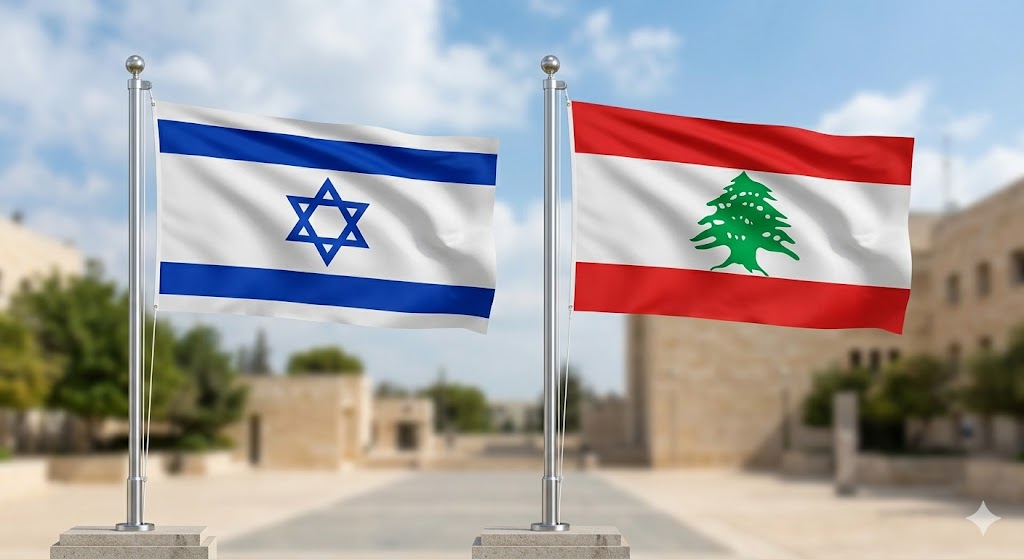
In a significant development, Israel and Lebanon have decided to renew their ceasefire and engage in further negotiations, aiming to achieve a comprehensive peace agreement. This decision was announced in a joint statement alongside the United States. The continuation of the truce hinges on the complete halt of attacks by Hezbollah, an armed group backed by Iran, which remains outside the Lebanese government’s control and is not participating in the peace talks.
Under the terms of the renewed ceasefire, both nations will establish pilot security zones. Within these zones, the Lebanese Armed Forces will maintain exclusive control, ensuring the absence of non-state armed groups. This initiative is designed to bolster security and lay the groundwork for a more extensive peace settlement. The agreement emerged from a new series of high-level discussions between representatives from Israel and Lebanon, where both parties reiterated their lack of hostile intentions towards each other and committed to ongoing direct talks to resolve lingering issues.
The joint statement also highlighted efforts to create a security framework that emphasizes the protection of sovereignty and territorial integrity for both nations. The framework aims to deter the resurgence of unauthorized armed groups in sensitive regions. Despite this diplomatic progress, tensions remain high along the border, with reports of clashes. The Israeli military has intercepted projectiles and a hostile aircraft originating from Lebanon, while Hezbollah claims to have targeted Israeli forces in response to perceived ceasefire breaches.
Lebanese officials have reported casualties resulting from Israeli strikes in southern Lebanon, underscoring the fragile nature of the current ceasefire. Nevertheless, Israel and Lebanon are slated to resume negotiations later this month, as both countries work diligently towards a more enduring and comprehensive peace agreement.