
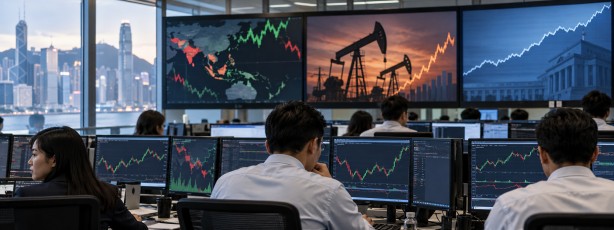
Asian markets presented a mixed picture on Friday as investors grappled with the implications of soaring oil prices and multi-year highs in government bond yields. The fluctuations in these economic indicators, coupled with geopolitical tensions in the Middle East, have intensified concerns over global inflation and economic stability.
Oil prices saw a slight decrease during Friday trading, with Brent crude dropping by approximately 0.7% following a significant rise of over 3% the previous day. This volatility in oil prices underscores the market’s anxiety over energy supply disruptions and the potential inflationary impact.
Government bond yields have also captured investor attention, with the US 10-year Treasury yield reaching its highest level since 2007, and the 30-year yield climbing to levels not seen since 2004. Similarly, Japan’s 10-year government bond yield has increased to a new 30-year high, reflecting broader concerns about borrowing costs and economic growth.
The response in Asian stock markets was varied; Japan’s Nikkei 225 rose by 1.2%, while Hong Kong’s Hang Seng Index fell by 1.8%. Trading was closed in Shanghai, Seoul, and Taipei due to holidays, limiting broader regional market activity.
Investor sentiment was further influenced by developments in US-China trade relations. Washington and Beijing have agreed to extend their trade truce for an additional two months. However, unresolved issues such as tariffs, agricultural purchases, rare-earth supplies, and technology restrictions continue to loom large.
Meanwhile, geopolitical tensions in the Middle East have added pressure to an already tight oil market, heightening fears about their potential ripple effects on worldwide inflation and economic performance. The ongoing uncertainty in this region remains a critical factor for investors assessing the global economic outlook.