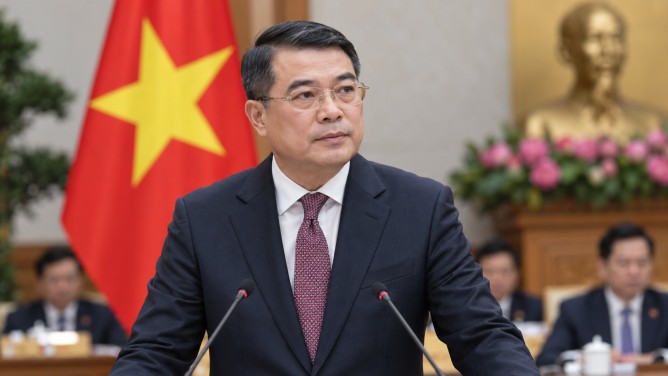
Vietnam is set to overhaul its petroleum trading regulations by November 10, 2026, following a directive from Prime Minister Lê Minh Hưng. The Ministry of Industry and Trade has been tasked with drafting a decree aimed at improving fuel distribution and enhancing market transparency, as the government seeks to fortify supply security.
The proposed regulatory changes include reducing the number of major petroleum traders while bolstering their ability to secure supplies and maintain reserves. This initiative is part of a broader effort to streamline the distribution network by eliminating unnecessary intermediaries and cutting operating costs, ultimately creating a more efficient and transparent market.
A significant aspect of the reforms involves altering the current fuel pricing system. Under the proposed framework, petroleum businesses would have the autonomy to set and announce retail prices within their networks using a government-established pricing formula, replacing the existing benchmark fuel price system. Traders would need to declare any price adjustments and notify relevant authorities, ensuring compliance and market oversight.
To prevent market manipulation and unjustified price increases, the draft regulations include safeguards against speculation. Authorities would retain intervention tools to stabilize the market and protect consumers when necessary. The Ministry of Industry and Trade is also tasked with ensuring adequate petroleum supplies are maintained under all circumstances, in coordination with other agencies to prevent disruptions.
Overall, the planned decree aims to strengthen Vietnam’s petroleum regulatory framework, improve distribution efficiency, and safeguard national energy security while transitioning towards a more market-oriented system under state oversight.