
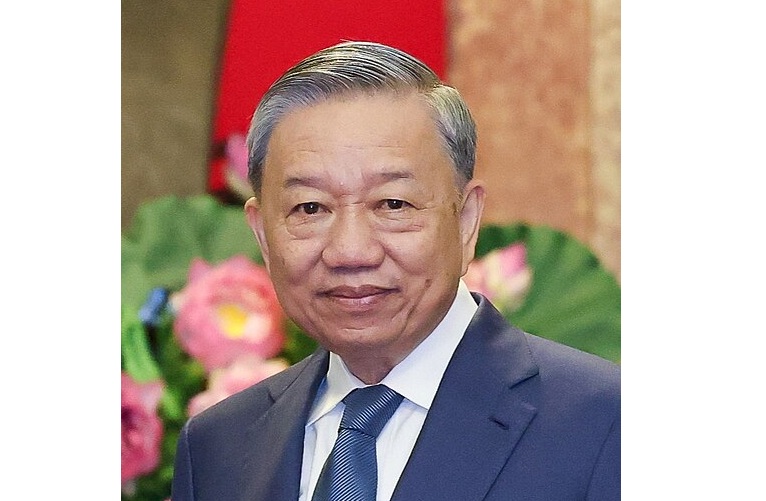
Vietnamese officials are being urged to deliver substantial outcomes in institutional reform, administrative streamlining, and legal modernization by 2026, as emphasized by Tô Lâm. At the inaugural meeting of the Central Steering Committee for Institutional Perfection and Law Enforcement in Hanoi, Tô Lâm called for progress that goes beyond mere symbolism. He outlined the need for reforms to be demonstrated through finalized legal frameworks, simplified administrative processes, resolved legal issues, and a transparent accountability structure among leaders. The meeting saw participation from senior figures like Lê Minh Hưng and Trần Thanh Mẫn, underscoring the high-level commitment to these objectives.
Tô Lâm instructed ministries and pertinent agencies to begin actioning the committee’s conclusions without delay. He emphasized the necessity of establishing monitoring systems and regularly updating on task completions, any delays, and challenges that might require intervention from higher authorities. The committee identified key focus areas, such as enhancing the state economy, creating a more favorable environment for foreign investment, reducing administrative load, addressing urban air pollution, and overhauling the criminal procedure system.
On the subject of foreign investment, the committee highlighted the importance of competitive policies that encourage technology transfer, research and development, workforce training, green transformation, and digital innovation. There was also a call for increased oversight of strategic investors and improved coordination across regions to attract foreign capital more effectively. In tackling air pollution, particularly in urban areas, officials advanced the proposal of shifting towards an outcome-based air quality management approach, supported by advanced environmental monitoring systems and robust early-warning mechanisms, with clear accountability for those responsible for pollution.
The committee also underscored that administrative reform should be seen as a permanent mandate rather than a temporary initiative, advocating for a shift towards post-inspection oversight and risk-based governance instead of relying heavily on pre-approval processes. In terms of judicial reforms, amendments to the Criminal Procedure Code are under review, aiming to strike a balance between effective crime prevention and fairness, asset recovery, and support for socio-economic development.