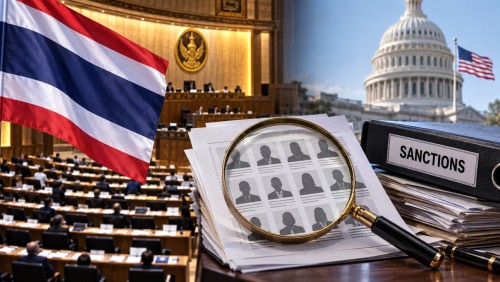
The push for expedited investigations into money laundering and scam activities in Thailand is gaining momentum, following a request by two US House committee chairs. These investigations could lead to significant legal and financial repercussions for those involved, as the US State and Treasury departments have been asked to consider sanctions against 28 individuals and entities, should they meet the necessary legal criteria.
Among those named is Vorapak Tanyawong, a former Thai deputy finance minister, who has vocally denied any involvement in the alleged activities, which also include human trafficking. In response, Tanyawong has expressed his willingness to cooperate with ongoing investigations and has proactively reached out to the US Treasury Department’s Office of Foreign Assets Control to provide relevant documentation that could clear his name.
Thai lawmakers are urging local authorities to quicken their pace in addressing these allegations through the appropriate legal channels. Prime Minister and Interior Minister Anutin Charnvirakul emphasized the importance of due process, stating that those accused should have the chance to defend themselves. Charnvirakul also clarified that the allegations are not linked to his current administration.
The request from the US Congress does not itself impose sanctions or confirm any wrongdoing, but it signals a serious inquiry into potential international criminal networks. If substantiated, the allegations could have far-reaching implications for the individuals and entities involved, impacting their global financial transactions and reputations.
The situation underscores the growing international scrutiny over financial crimes and the cooperation between nations to address such issues. As the investigations unfold, the potential for sanctions looms, which could have significant diplomatic and economic impacts if the allegations are proven to be true.