
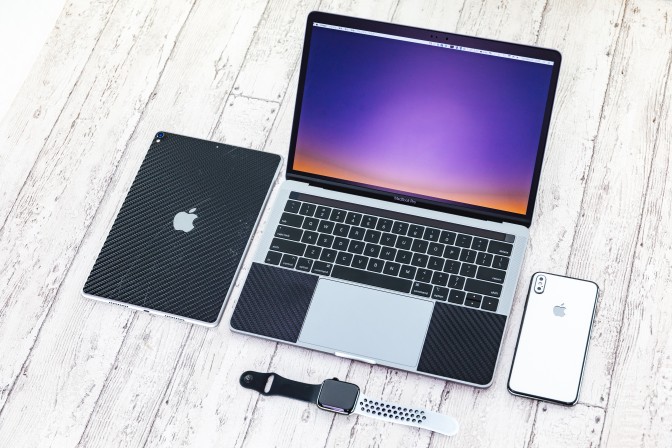
Apple has announced a significant price hike for several of its iPad and MacBook models in Australia, attributing the increases to escalating costs for memory and storage components driven by the global boom in artificial intelligence. As a result, some devices have seen their prices rise by over 20%, considerably impacting the affordability of Apple’s computers for consumers.
The cost of the 13-inch MacBook Air has surged from $1,799 to $2,099, while other MacBook models aimed at budget-conscious buyers have also experienced price jumps. Similarly, the entire range of iPads, including the standard iPad, iPad mini, iPad Air, and iPad Pro, has become more expensive. Apple explained that, although it had been absorbing the rising production costs for some time, the company had no choice but to adjust prices due to the swift increase in component prices, particularly for memory and storage chips.
This price adjustment comes amid intense competition among technology companies for chip supplies essential for AI data centers. The burgeoning demand for advanced computing capabilities has led to a scarcity of memory components available for consumer devices, thereby driving up manufacturing costs across the tech industry.
Interestingly, Apple’s current iPhone lineup has not yet been affected by these cost increases. However, industry analysts anticipate that future iPhone models could also see price hikes as companies continue to grapple with escalating component expenses. Apple is not alone in this predicament; other technology firms have similarly raised device prices in response to the rising costs of memory and storage components.