
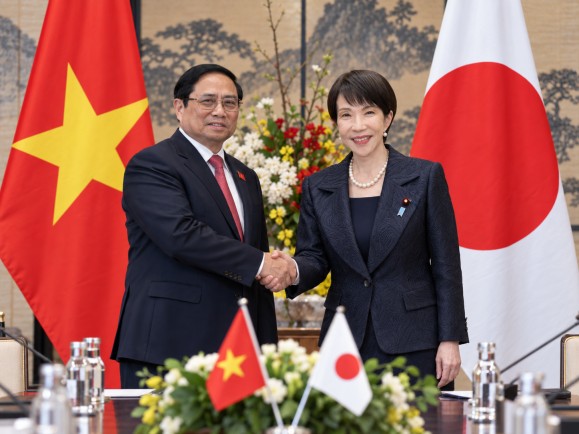
In a bid to strengthen ties in strategic technology sectors, Vietnam is seeking enhanced collaboration with Japan, particularly in semiconductors, artificial intelligence, and renewable energy. This initiative was a focal point during a meeting on September 3 between Vietnamese science and technology officials and a Japanese delegation from the House of Representatives. The discussions emphasized the need for joint efforts in semiconductor research, AI development, energy technology, workforce training, and fostering closer business relationships in these crucial areas.
Central to these plans is the NEXUS joint research program, through which Vietnam and Japan aim to co-fund projects dedicated to semiconductor advancements. This includes work on chip design, advanced materials, and manufacturing technologies. Both nations are looking to broaden this collaboration beyond 2027, reflecting a long-term commitment to technological innovation and cooperation.
Vietnam has expressed a keen interest in developing its own AI capabilities, including Vietnamese-language large language models, and has proposed expanding the scope of the NEXUS program to include AI, new materials, renewable energy, and biomedicine. An upcoming joint working group meeting in October is expected to further these goals by facilitating technology transfer and bolstering business ties, particularly in the semiconductor industry.
Japan has shown interest in Vietnam’s semiconductor initiatives, labor policies, and energy strategy, which includes an expansion of nuclear power. Vietnam is pursuing a diversified energy mix that incorporates conventional sources, renewables, and nuclear power, with ongoing research into small modular reactors. This energy transition will necessitate substantial investment and a workforce with specialized skills, underscoring Vietnam’s hope that Japan will be a pivotal partner in building the necessary energy infrastructure to support its burgeoning high-tech sectors.