
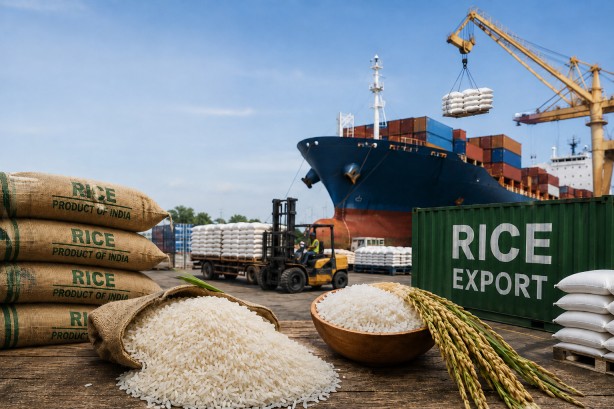
Vietnam is poised for a rebound in rice export value by the close of 2026, driven by a recovery in international prices and bolstered demand from key markets. By mid-August, the nation had exported an estimated 5.7 million tonnes of rice, with full-year shipments projected to reach around 7.7 million tonnes. Although export earnings are expected to hit approximately $3.9 billion, this marks a 4% decrease from last year due to weaker average prices in the first half. Nonetheless, a 5.8% year-on-year price increase in July signals potential for improved revenues if the trend holds through the year’s end.
Global market dynamics seem favorable for Vietnam’s rice exports. The 2026-27 crop year is anticipated to experience a supply-demand imbalance, pushing global trade to record levels. Countries are likely to augment food reserves due to fears of a strong El Niño. The Philippines, Vietnam’s largest rice market, is set to import around 5.6 million tonnes in the upcoming crop year to bolster its reserves. Additionally, China is ramping up imports, particularly of broken rice for animal feed, presenting further opportunities for Vietnamese exporters.
Beyond these primary markets, Vietnam could see export growth in other regions. Nigeria is predicted to encounter a considerable rice supply shortfall, while Kenya has removed import duties on white rice temporarily under a quota system. Vietnamese exporters are also penetrating premium markets, with high-quality, low-emission rice fetching over $1,000 per tonne in Japan, the European Union, and Australia.
Despite these promising developments, challenges persist for Vietnam’s rice industry. The Philippines is contemplating additional safeguard duties on rice imports from Vietnam and other suppliers, potentially raising the overall tariff beyond 35% and impacting Vietnam’s shipments to this critical market. Indonesia, with ample domestic production and strong reserves, is unlikely to import rice this year. Additionally, Vietnamese rice must contend with price competition from India and Pakistan in African markets. Thailand’s expanding footprint in China and Cambodia’s increased exports of fragrant rice further intensify competition.
Rising costs of fertilizers, transportation, and energy continue to pressure Vietnamese farmers and exporters. Moreover, the potential for a severe El Niño event could lead to drought and saltwater intrusion between late 2026 and early 2027, threatening the subsequent winter-spring rice crop. Despite these risks, the outlook for Vietnam’s rice export earnings remains cautiously optimistic, buoyed by recovering prices, heightened demand, and growing interest in premium rice varieties.