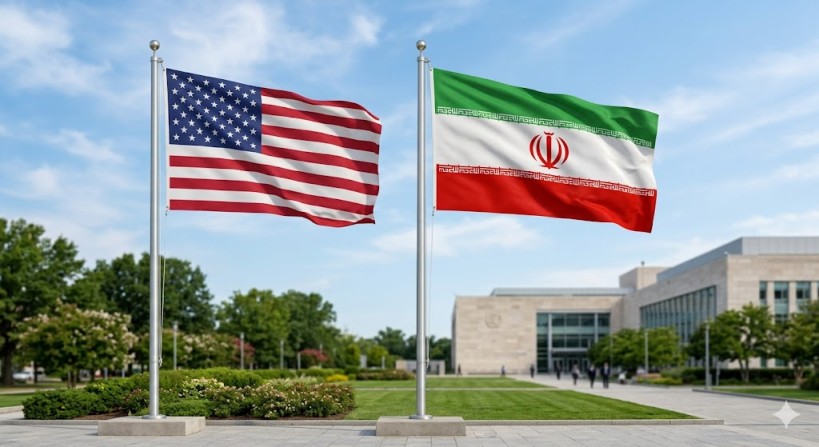
Efforts to de-escalate tensions in the Middle East through negotiations between the United States and Iran have made little headway this week. Despite ongoing diplomatic activities aimed at extending a ceasefire, both parties are struggling to reach a consensus. US President Donald Trump indicated that talks are nearing their conclusion, yet Iranian Foreign Minister Abbas Araghchi reported the absence of any major breakthroughs, although indirect communication facilitated by mediators persists.
A significant sticking point in these negotiations is Iran’s insistence on a ceasefire in Lebanon as a prerequisite for a broader agreement with the United States. The proposed deal intends to not only prolong the existing truce but also to ensure the reopening of the Strait of Hormuz, a crucial passage for global oil shipments. The situation in Lebanon remains volatile, with ongoing confrontations between Israeli forces and Hezbollah, the Iran-supported militant group, which has dismissed a ceasefire initiative backed by the US.
The conflict in Lebanon is contributing to the uncertainty that has gripped global energy markets, as stakeholders keep a vigilant eye on developments concerning the Strait of Hormuz. This strategic waterway is vital for the movement of oil, and any disruption to shipping lanes could significantly impact worldwide energy supply and pricing.
In light of these challenges, diplomatic efforts are intensifying as both regional and international actors strive to prevent a further escalation of hostilities and work towards a comprehensive agreement that could stabilize the region. The resolution of these issues remains crucial not only for regional peace but also for maintaining the stability of global energy markets.