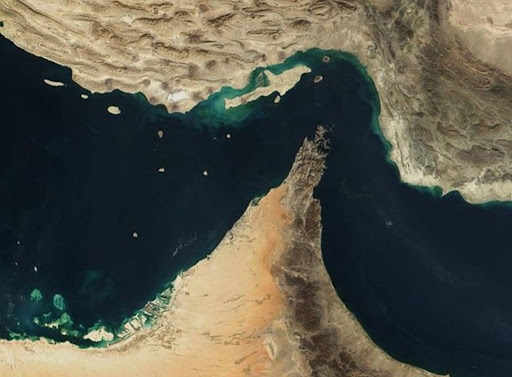
President Donald Trump’s vision of a multinational naval coalition guarding the Strait of Hormuz is running headlong into a wall of global reluctance, as allied nations decline to commit vessels despite the mounting economic and energy crisis caused by Iran’s blockade. Trump’s posts on Truth Social called on the UK, France, China, Japan, South Korea, and other nations that rely on oil from the Gulf to send warships to the region alongside the United States. The response from those governments has been uniformly vague, cautious, or negative.
The Strait of Hormuz became a conflict zone after Iran blockaded it in retaliation for US and Israeli airstrikes, triggering the most severe disruption to global oil supply on record. Tehran has made its position clear: tankers heading for the US, Israel, or their allies are legitimate military targets. Since the conflict began in late February, sixteen tankers have been attacked, and Iran has floated the prospect of mining the strait — adding explosive danger to an already perilous shipping route.
France led the dissenting voices, with its defence minister stating unequivocally that no French naval vessels would be dispatched while fighting continued. President Macron had mentioned a possible “purely defensive” escort mission for a later phase of the conflict, one that would include both European and non-European partners. The UK confirmed discussions were ongoing and noted that mine-hunting drone options were being evaluated. The EU’s Aspides mission — already operating in the region against Houthi threats — has been mooted as a possible vehicle for expanded coverage, but Germany’s foreign minister questioned the mission’s effectiveness and was doubtful about expansion.
South Korea and Japan are among the nations most vulnerable to the economic fallout of the crisis, as both countries depend heavily on Gulf oil flowing through the strait. Japan’s top policy officials said deployment wasn’t legally foreclosed but described the threshold as very high. South Korea issued a measured statement calling for careful consideration of all options before taking action. The broader pattern across Asia and Europe reflects a shared unwillingness to risk naval assets — and lives — in an active war zone to protect commercial shipping.
Beijing remains the most watched actor in the unfolding drama. As both a significant Iranian ally and a massive oil importer, China is navigating the crisis with characteristic diplomatic caution. Backchannel talks with Tehran about allowing tankers to pass are reportedly ongoing. The Chinese embassy in Washington emphasised Beijing’s commitment to peaceful de-escalation through communication. The US energy secretary expressed qualified optimism about China’s potential role, noting that dialogue was underway with multiple nations about restoring normal shipping through the world’s most critical oil corridor.