
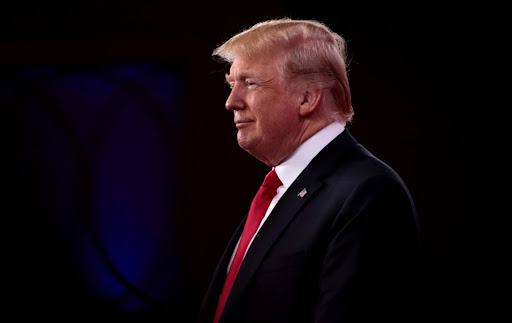
President Donald Trump turned up the heat on NATO on Tuesday, mocking the alliance as a lopsided arrangement that benefits European nations at America’s expense while delivering nothing in return. His comments came in the wake of NATO allies refusing to join the US-Israel military operation against Iran. Trump called their decision a “foolish mistake” and said he was deeply disappointed.
The origins of Trump’s frustration with NATO stretch back years, rooted in his belief that wealthy European nations underpay for the security umbrella the United States provides. He has cited the hundreds of billions of dollars the US spends annually on NATO’s protection as evidence of a fundamentally unfair deal. The Iran episode has given him fresh ammunition to make that case.
Trump painted a vivid picture of military success, stating that Iran’s core defense capabilities had been destroyed during the operation. He specifically cited the elimination of Iran’s navy, air force, and missile defense infrastructure as outcomes of the campaign. He also claimed that Iranian leaders had been removed at nearly every tier of government and military command.
If these assertions are borne out by evidence, the strategic calculus of the Middle East would shift in profound ways. Iran’s ability to project power through proxies, nuclear threats, and conventional military forces would be severely curtailed. Trump’s confident declarations suggest the administration believes these goals have been achieved.
The question now is how the international community responds to Trump’s claims and his continued alienation of NATO partners. Some allies may choose quiet diplomacy, while others could voice public concern. Either way, the fault lines within the Western alliance have rarely been more visible.