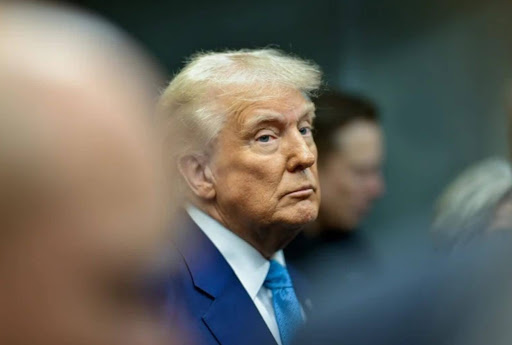
In language that shocked observers around the world, US President Donald Trump called the killing of Iranian leaders a “great honor” on Friday, describing them in profane terms while promising that strikes on Iran would intensify in the coming days. Iran’s own death toll from the conflict has now surpassed 1,300, according to Iranian authorities, while the country’s capital continued to be struck by waves of US and Israeli airstrikes. Israel separately reported 12 deaths, and American forces have lost 13 service members.
Trump’s comments were made against the backdrop of a war that began when Israel killed Ayatollah Ali Khamenei, Iran’s ruler of 37 years. The assassination set off a cascade of retaliatory strikes, counter-strikes, and regional escalations that have now pulled in Lebanon, Iraq, Gulf states, and threatened global energy supplies. Iran has responded to the campaign against it by attacking oil and other infrastructure across the Gulf, with daily strikes on Saudi Arabia, Oman, Qatar, and the UAE.
US Defence Secretary Pete Hegseth said the combined US-Israeli campaign had struck more than 15,000 enemy targets since the war began, with Israel reporting over 200 individual strikes in the most recent 24-hour period alone. Hegseth described Iran’s new supreme leader Mojtaba Khamenei as wounded, hiding underground, and likely disfigured. He also claimed Iranian leaders were “desperate,” pointing to the absence of any video or audio communication from Khamenei since he issued a written statement on Thursday.
For ordinary Iranians, the statistics represent a horrifying daily reality. A 66-year-old retired professor in Tehran described buildings shaking, rubble everywhere, and a population trapped by fuel shortages and fear. A shopkeeper said she had been counting explosions, taping her windows, and barely sleeping as bombs fell night after night. Iranian authorities themselves were seen at public demonstrations in Tehran, with senior officials including the foreign minister walking in the streets amid the chaos.
The global economic ripple effects of the conflict are severe, with Iran’s blockade of the Strait of Hormuz threatening one-fifth of the world’s oil and gas supply. Trump’s warning that he would strike Kharg Island’s oil infrastructure if Iran continued disrupting shipping added further uncertainty to energy markets. European nations moved quietly to negotiate safe passage for their ships through diplomatic back-channels with Tehran, while Qatar and other Gulf states scrambled to defend against a continuing barrage of Iranian missiles and drones.