
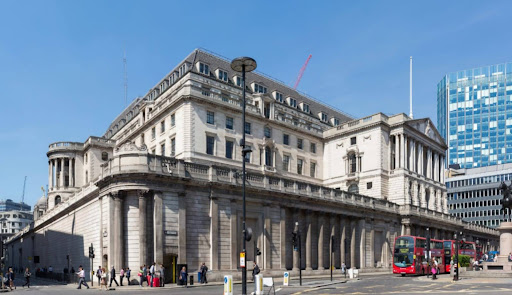
Interest rates in the United Kingdom remain at 3.75% following a unanimous decision by the Bank of England’s monetary policy committee, but policymakers have made clear that the war in the Middle East has fundamentally altered the calculus around future monetary policy. The Bank warned that energy price rises triggered by the US-Israel conflict against Iran could push UK inflation above 3%, making rate hikes more likely than cuts in the coming months. The decision represents a significant shift from the easing expectations that had dominated market sentiment before the conflict began.
The war’s impact on global energy markets has been rapid and considerable. Oil and gas prices have surged since hostilities began, threatening to reignite inflationary pressures in an economy that had been making steady progress toward the 2% target. The Bank now expects inflation to rise to approximately 3.5% in March and remain above target well into 2026, a stark contrast to forecasts made just weeks ago.
Governor Andrew Bailey highlighted the visible evidence of the shock, pointing to rising petrol prices and warning that household energy bills could follow. He said the Bank was committed to returning inflation to target regardless of the source of the pressure, whether domestic or geopolitical. The Bank’s statement made clear it was prepared to raise rates if the situation demanded it.
City analysts and market traders interpreted the communication as broadly hawkish. UK government bond yields rose and the FTSE 100 fell after the announcement. Swap markets now price a first rate hike in June, with a second potentially arriving before the end of the year.
Some MPC members who had been leaning toward a cut prior to the war’s outbreak have shifted their positions, while even consistently dovish voices acknowledged the changed environment. The shift in tone across the committee reflects the genuine uncertainty about how long the conflict will last and how persistently it will affect energy prices.