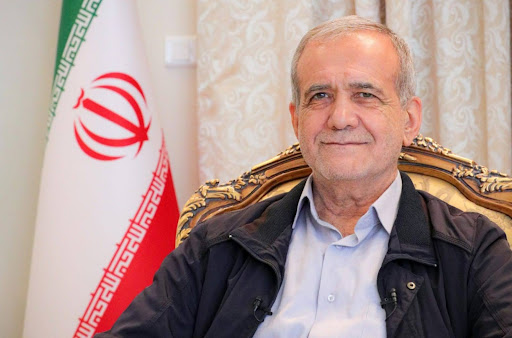
The Gulf states find themselves squeezed between two powerful adversaries, and Iran’s President Masoud Pezeshkian is making sure they feel the pressure from his side. In a public statement on X, Pezeshkian urged Gulf governments to stop providing operational support to US and Israeli forces, warning that their own security is at stake if they continue. The message came as the war between Iran and the United States entered its second month.
Countries like Saudi Arabia, Kuwait, the UAE, Qatar, and Oman have long hosted American military forces and are now paying a tangible price for that relationship. Iranian retaliatory strikes have targeted locations inside these nations, making it impossible for their governments to treat the war as someone else’s problem. The situation demands difficult choices about long-held security arrangements.
Pezeshkian’s X post made clear that Iran’s retaliation is guaranteed but not initiated: the country does not attack first, but it responds powerfully to threats against its infrastructure and economic centers. He then issued a frank appeal to regional governments, connecting their aspirations for prosperity and peace to the decision to stop enabling the conflict. The message carried both a warning and a diplomatic invitation.
Pakistan’s diplomatic engagement has been recognized by multiple parties as a positive force in an otherwise volatile situation. Prime Minister Sharif confirmed that his talks with Pezeshkian revealed the Iranian leader’s emphasis on trust as a precondition for any meaningful peace talks. Iran’s support for Pakistan’s mediation role has lent Islamabad significant diplomatic leverage.
Pakistan is now hosting a high-level regional summit, with foreign ministers from Saudi Arabia, Egypt, and Turkey participating in structured de-escalation talks. Pakistan’s foreign minister Ishaq Dar is leading the process, and discussions are said to be both frank and constructive. The outcome of these talks may shape the trajectory of the conflict in the weeks ahead.