
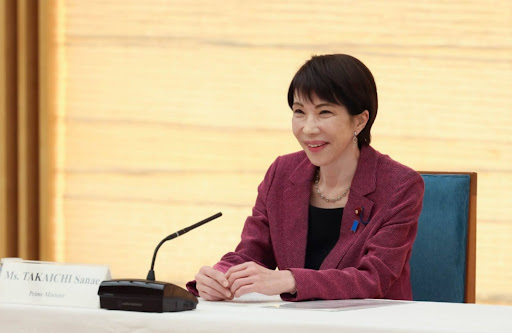
Memories of the devastating 1973 oil shock are resurfacing in Japan as the government announces the biggest-ever release from its strategic petroleum reserves — 80 million barrels to be made available to refiners starting Thursday. Prime Minister Sanae Takaichi confirmed the unprecedented deployment, driven by fears that the US-Israel conflict with Iran could cut off the flow of crude through the Strait of Hormuz for an extended period. Japan learned bitter lessons from 1973, when Middle East supply disruptions sent the economy into a prolonged period of low growth, and officials are determined not to repeat that experience.
The 80 million barrel release is equivalent to 45 days of Japan’s national oil consumption and surpasses by a factor of 1.8 the previous record set during the Fukushima nuclear emergency in 2011. Japan currently holds approximately 470 million barrels in reserve — enough to cover over 250 days of domestic demand. The depth of this stockpile reflects five decades of strategic investment in energy security since the 1973 shock first exposed Japan’s dangerous dependence on imported oil.
Gasoline prices had already hit a record ¥190.8 per litre when the government introduced subsidies to cap costs at approximately ¥170. These subsidies will be reviewed and potentially adjusted every week as global oil market conditions evolve. The trade and industry ministry is keeping a close watch on price movements and is prepared to act further if the situation deteriorates.
The ghost of 1973 has also haunted public behavior, with social media posts warning of imminent shortages of toilet paper and other household goods spreading fear among consumers. Japan’s toilet paper manufacturers moved quickly to reassure the public that their products are made domestically from recycled materials with no exposure to Middle Eastern supply disruptions. Industry association head Morio Ishizuka appealed directly to consumers to buy only what they need and share accurate information.
Prime Minister Takaichi has rejected calls from Washington for Japanese naval involvement in the Hormuz crisis, citing the pacifist constitution that Japan adopted after World War II. She has instead pledged deep diplomatic engagement with regional partners to support a peaceful resolution. Japan’s experience in managing energy crises, dating back to 1973, gives it a wealth of institutional knowledge to draw upon in navigating this latest challenge.